
Minnesota’s adult-use cannabis market is in its early stages but it is already generating new opportunities for electric cooperatives, economic development organizations and rural communities.
For Great River Energy and its member-owner cooperatives, the cannabis sector is a new category of commercial and agricultural load growth that requires early coordination. While projects vary in size and complexity, most need reliable electrical service, energy-efficient facility design and planning to avoid delays from infrastructure upgrades or equipment lead times.
Indoor cultivation also requires tightly controlled environments with significant electric demand for lighting, HVAC, dehumidification and environmental controls.
Several member-owners have already partnered with cannabis and hemp-related businesses, offering useful examples for other cooperatives that may encounter similar opportunities in their service areas.
Energy efficiency affects project economics
Electricity costs significantly impact the long-term viability of cannabis cultivation facilities. Because indoor operations use energy-intensive systems for extended periods, operators seek ways to reduce costs without compromising plant quality or production consistency.
Great River Energy and its member-owner cooperatives support projects with customized energy conservation programs, rebates and technical analysis tailored to the operational demands of cannabis production.
For example, Lake Leaf Cultivation, a Minnesota cannabis facility served by Mille Lacs Energy Cooperative (MLEC), pursued rebates for energy-efficient equipment. The project used energy modeling services from the Vermont Energy Investment Corporation to evaluate how lighting, HVAC and dehumidification systems interacted within the cultivation environment.
Unlike standard commercial lighting analysis, cannabis cultivation modeling focuses on optimizing plant growth and environmental performance. The goal is to reduce energy use while maintaining the strict conditions required for production.
According to project discussions involving Great River Energy representatives, the Lake Leaf project achieved strong efficiency performance compared to baseline facility standards. The result was a large-scale conservation project tied to approximately 4.2 million kilowatt-hours in projected savings.
Finnegan’s Farm reflects a different type of opportunity
While large cultivation facilities receive significant attention, smaller cannabis and hemp-related businesses can also create important opportunities for rural communities. Cooperative Light & Power (CLP) has worked with Finnegan’s Farm, a smaller operation focused on hemp-derived products and planned expansion activities.
This project differs from large cultivation campuses. Finnegan’s Farm operates as a value-added agricultural business pursuing gradual growth within an emerging product category.
According to CLP, the operation currently functions as a small commercial account with modest electric demand, but future expansion may require additional system capacity and infrastructure improvements.
The cooperative worked with the business to evaluate future load requirements and identify potential upgrade needs before expansion. This approach reflects a broader strategy many cooperatives may need as new agricultural product markets develop. Emerging industries often evolve quickly, with operators moving from small-scale production to commercial manufacturing in short timeframes.
This project also shows how cannabis-adjacent industries can diversify rural economies beyond cultivation. For example, hemp-derived beverages, infused products, bottling operations and processing facilities each create unique electric profiles and infrastructure needs. Some projects may resemble food and beverage manufacturing rather than traditional agriculture.
Rural communities could benefit from long-term market growth
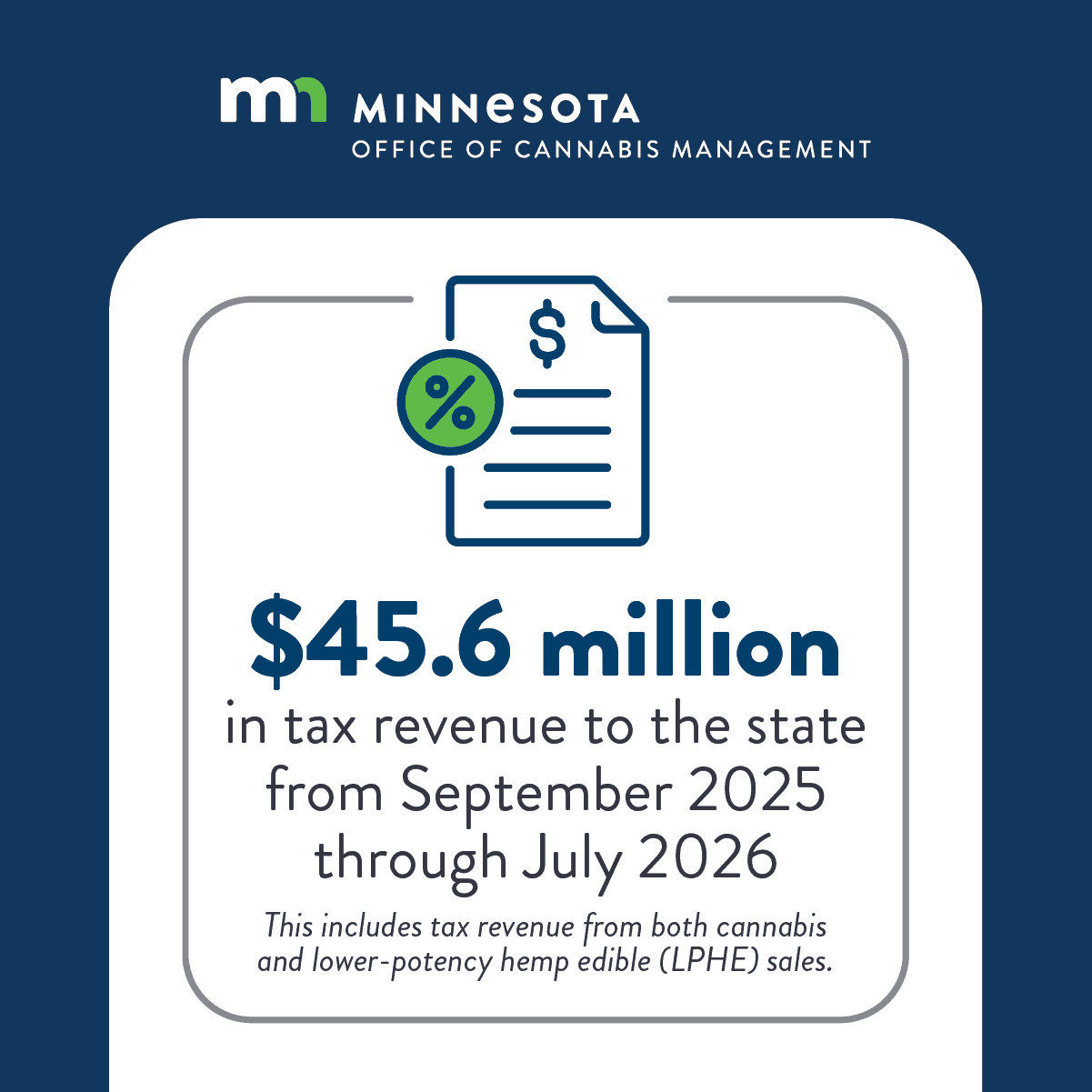
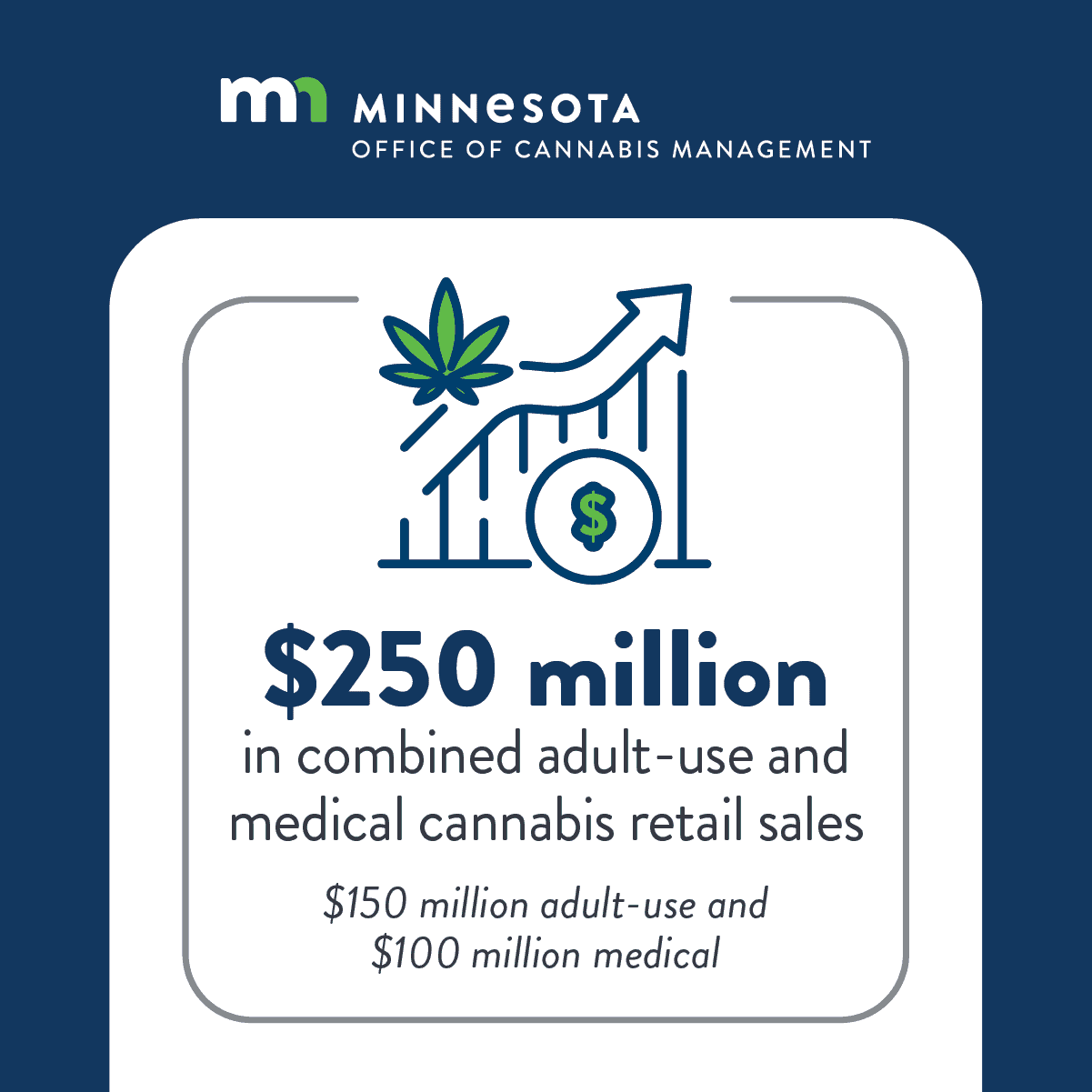
Minnesota’s cannabis industry remains well below its projected long-term size. Supply shortages, cultivation bottlenecks and limited testing capacity continue to slow market growth.
Even so, the market’s broader direction remains important to discussions of rural economic development.
Cultivation facilities often seek lower-cost land, available industrial buildings, agricultural infrastructure and reliable utility service. Processing operations may look for rural manufacturing space with access to transportation and utility capacity. Hemp-derived product manufacturers may align with existing food and beverage production ecosystems.
Electric cooperatives often serve communities where these assets already exist.
As Minnesota’s cannabis market matures, cooperatives that understand the technical, operational and infrastructure demands of these facilities will be better positioned to support member growth and maintain reliable electric service.
 " data-object-fit="cover">