
Partnership sets out to streamline EV projects and benefit consumers, the grid
It’s true what they say: Failure to plan means planning to fail.
That’s why Great River Energy is taking a proactive approach to addressing the barriers faced by utilities when it comes to achieving widespread transportation electrification, and a recently launched tool will help make that work even easier.
The cooperative signed on as a founding utility partner for EVs2Scale, an initiative led by the Electric Power Research Institute (EPRI), in 2023 and has since added an electric co-op voice to discussions among critical stakeholders as electric vehicle (EV) goals increasingly target 50% market share by 2030.
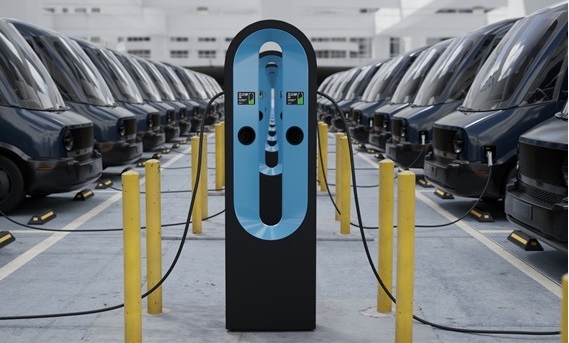
These goals present several challenges for utilities and system operators as they prepare all the services needed to support this type of transition, including charger installations and grid interconnections for consumers/fleets, while maintaining the highest level of reliability and resilience on the grid.
Since its launch, the partners behind EVs2Scale have rolled out eRoadMAP, a public-facing tool that communicates broadly to decision-makers where and when EV loads are likely to appear on the grid.
Now, the initiative’s second critical planning tool, GridFAST, provides a central online portal that sets out to modernize and simplify the way fleet operators and charging providers interact with the nation’s 3,200 utilities.
How it works
EPRI states that GridFAST “encourages the earliest notifications from customers with EV projects to allow utilities to plan for these loads to ensure the most reliable and affordable grid transition.”
Essentially, it provides standardized tools for EV customers to share long-term project plans with utilities. Once a utility match is made, the customer will receive expert advice and resources to refine their plans while the utility can start preparing for the future increased load capacity.
“It will help ensure that site developers can easily identify and connect with the utilities who are set up in the platform, allowing for better, meaningful conversation about their project plans earlier in the site development process,” said Great River Energy Member Strategist Rodney De Fouw.
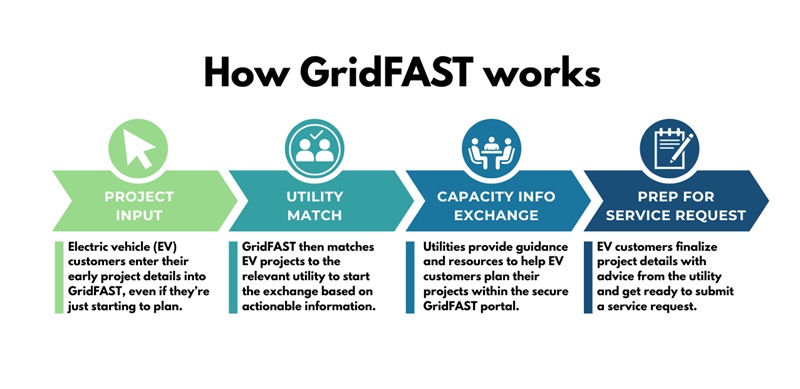
The tool, which is free for EV customers, was developed collaboratively with leading stakeholders across multiple industries to address the various challenges related to grid interconnections. Several of these challenges result from each utility’s different processes, tools and regulatory requirements.
“If you are a customer planning sites with EV charging loads, the simplest way to begin an early and secure conversation with the right utility and utility contact is to use GridFAST as a central portal for collaboration,” said EPRI Director of Transportation Britta Gross. “Enter the earliest information you have about a site, update it over time as details become clearer, and ensure your project is on the utility’s radar years in advance of your load needing grid interconnection.”
Member involvement
As a founding member of the EPRI’s initiative, Great River Energy will play a large role in engaging member-owners and educating them about the benefits offered by using GridFAST.
Several of Great River Energy’s member-owner cooperatives are already participating in GridFAST and promote the tool through a welcome page on their websites, including Dakota Electric Association, East Central Energy, Lake Country Power and Minnesota Valley Electric Cooperative.
De Fouw said that, as participants, the cooperatives can expect GridFAST to support several key factors, including: earlier communication with project/site developers, resulting in longer project lead times; a more accurate exchange of information using a streamlined, templated process; and a better connection to site developers, providing utilities with better competitive footing for project with neighboring utilities.
“GridFAST was not developed to replace the formal service request process but instead enhance it to meet the early communication needs of both utilities and EV fleet charging infrastructure developers,” De Fouw said. “These projects have different needs and timelines than the typical loads that we have worked with in the past. Being proactive is the best way to make sure we are not competitively left behind.”
 " data-object-fit="cover">